
Why Fencing Matters in Buncombe County
In parts of Buncombe County fencing serves a more practical purpose. It is used for livestock management, garden protection and marking property boundaries. This is especially important, across wooded or uneven terrain. In these areas fences help to organize land that may otherwise feel open or undefined.
The county has both neighborhoods and wide rural landscapes. So fencing solutions must be flexible to meet different needs.
Local Terrain & Climate Challenges in Buncombe County
Soil conditions also vary across the county. In lower areas the soil has a lot of clay and holds water after rain. This requires digging but often provides strong natural support once posts are set correctly. Over time this can lead to leaning or loosening if the installation isn’t designed for ground movement.
Wind exposure is also a concern, in open valley areas and higher elevations. Strong gusts moving through mountain gaps can put stress on fence panels. Strong post anchoring and proper spacing are essential for long-term stability. Because of these combined conditions fencing in Buncombe County works best when planned with terrain- installation methods, proper drainage and materials specifically chosen to handle mountain weather and shifting ground conditions in Buncombe County.
Buncombe County’s unique conditions require planning to ensure fences are stable and durable. The terrain, soil and weather in Buncombe County all play a role, in determining the approach to fencing.
Permits, HOA Rules & Fence Regulations in Buncombe County
For homeowners in HOA-managed neighborhoods or planned communities in Buncombe County additional approval is often required for a fence. HOAs typically set their rules regarding fence materials, colors, height and design of a fence to maintain a consistent neighborhood appearance and property value standards in Buncombe County.
Local Landmarks & Community Context in Buncombe County
When you move out of the city and into areas like Arden, Fletcher and Candler the properties are bigger. There is more open space.
In these areas fencing is used to mark property lines, keep gardens safe and create spaces that people can use. The fences still need to fit in with the -rural setting. The rural parts of Buncombe County have farmland orchards and big wooded properties. Fencing is really important here for managing livestock, dividing up land and keeping crops safe from wildlife.
All of these areas. The city neighborhoods, the suburban areas and the mountain countryside. Make Buncombe County a very diverse place when it comes to fencing needs in Western North Carolina.
Fencing Services in Buncombe County
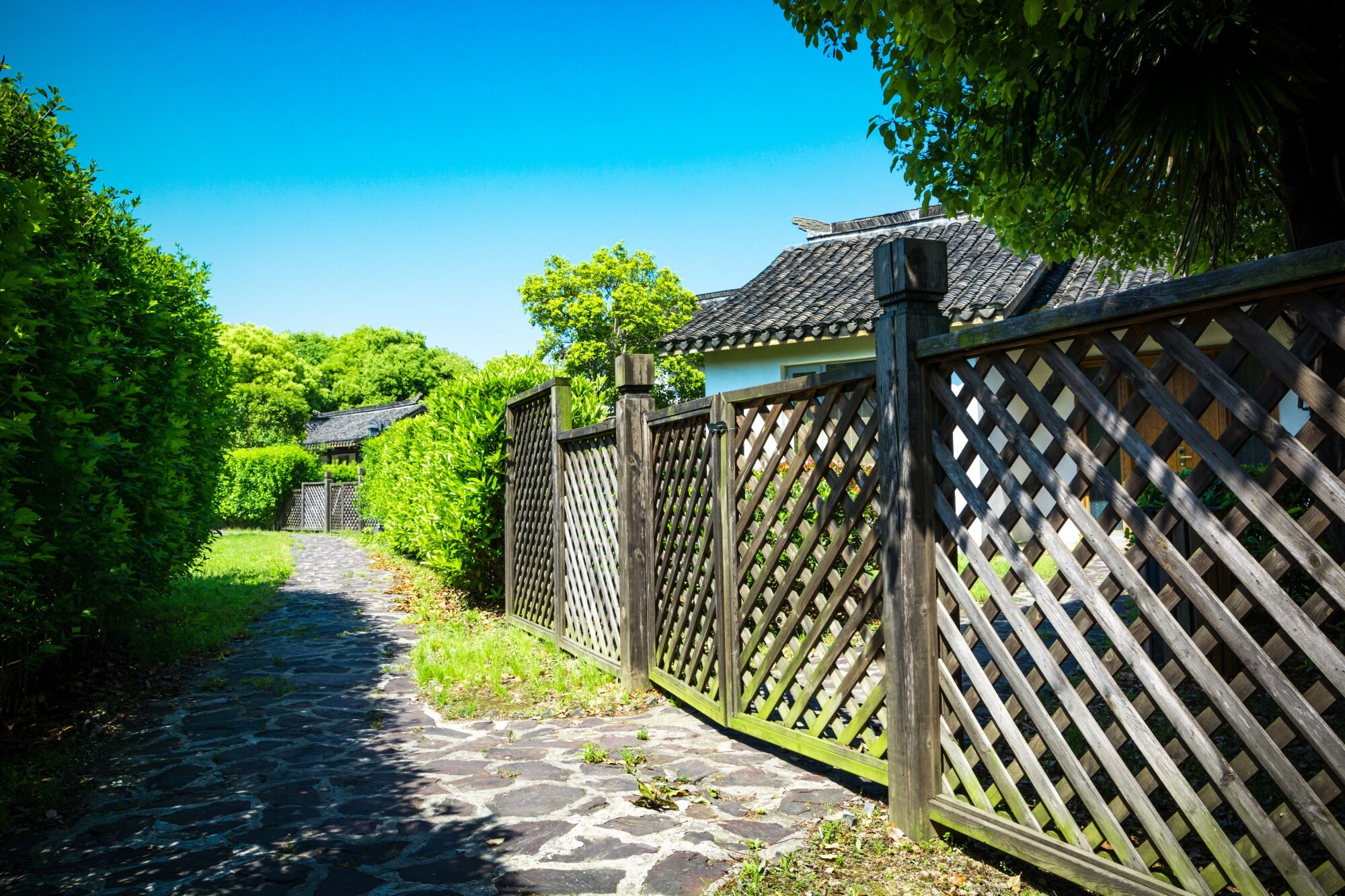
Residential Fences
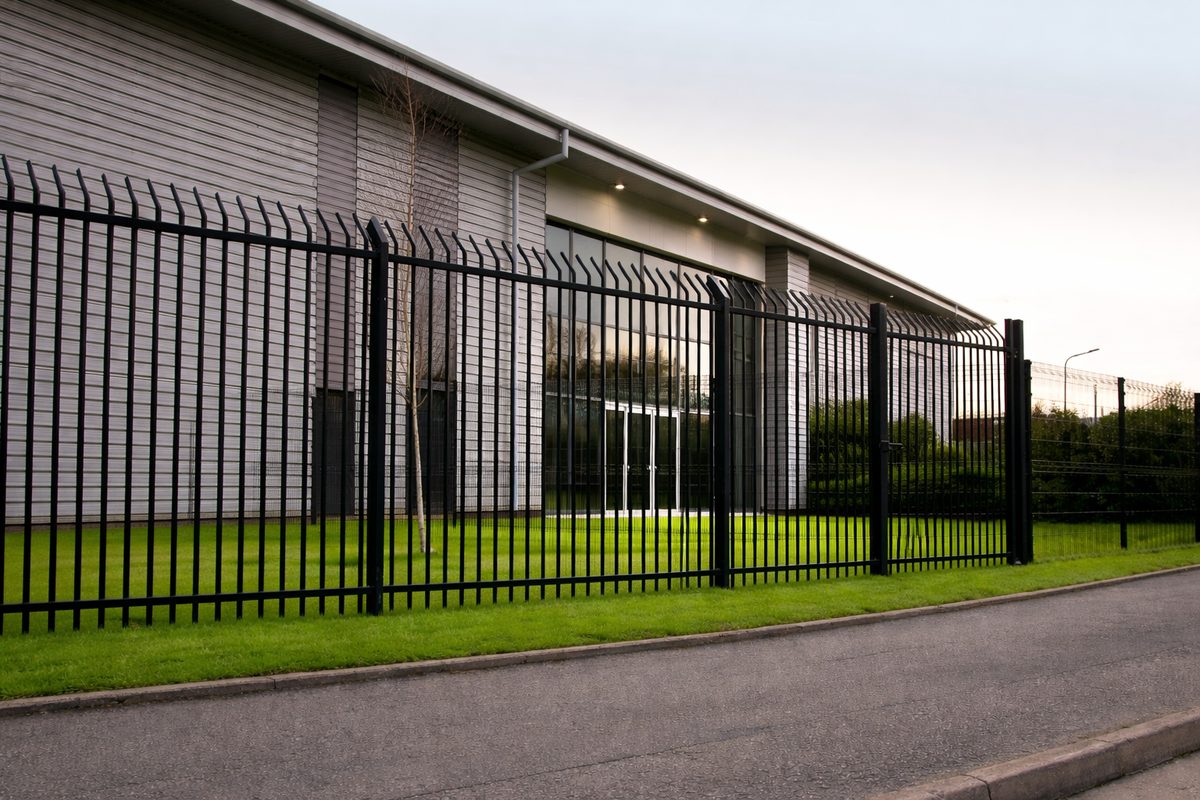
Commercial Fences
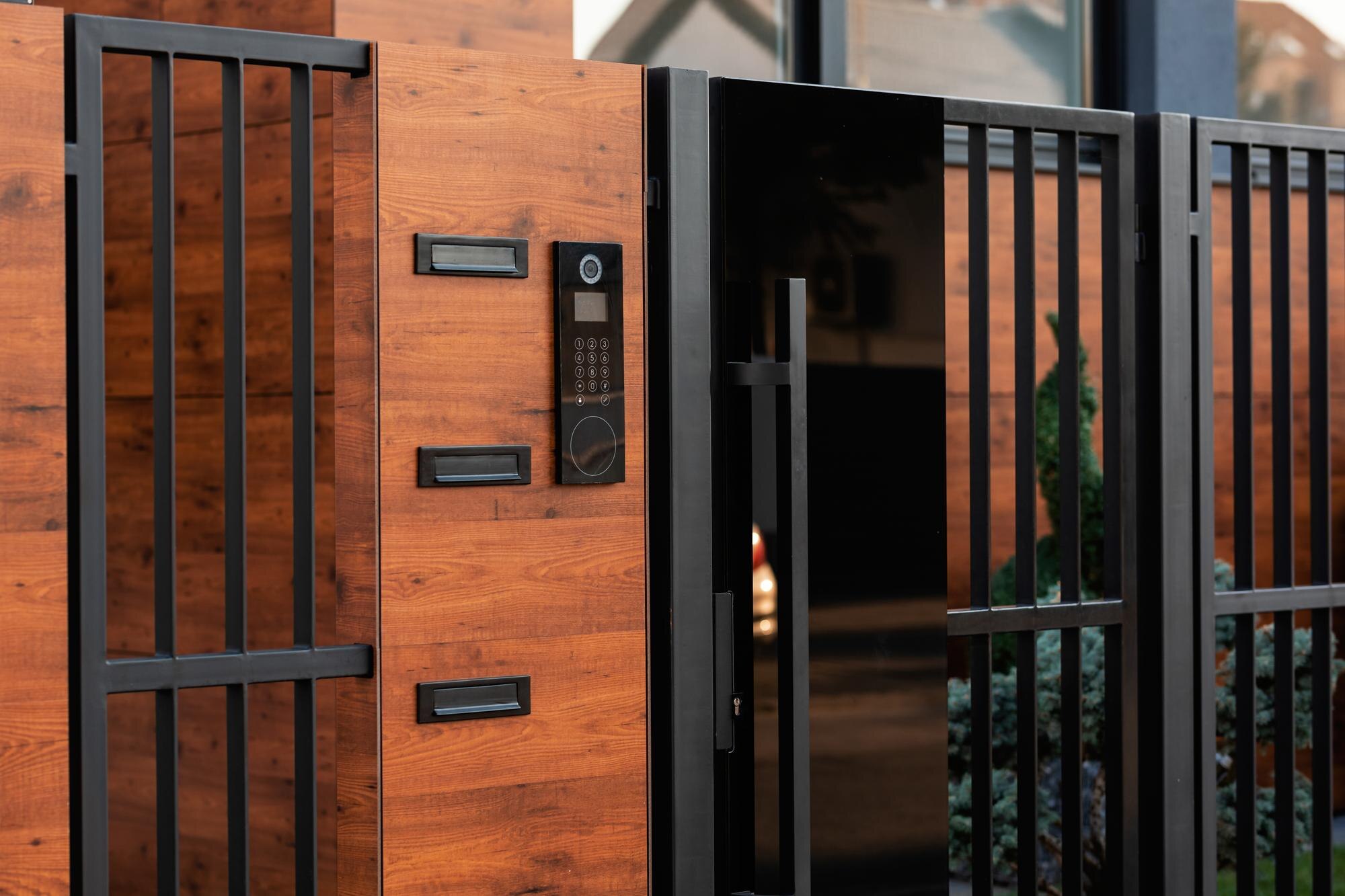
Access Control
Guard Rail

Fence Supplies & Repair