

North Carolina boasts four beautiful and distinct seasons, each bringing its own weather challenges that can affect your fence. Whether you have a wooden, vinyl, chain link, or ornamental fence, proactive maintenance is essential to ensure longevity and functionality.
What to Do if a Storm Damages Your Fence: Repair and Replacement Options
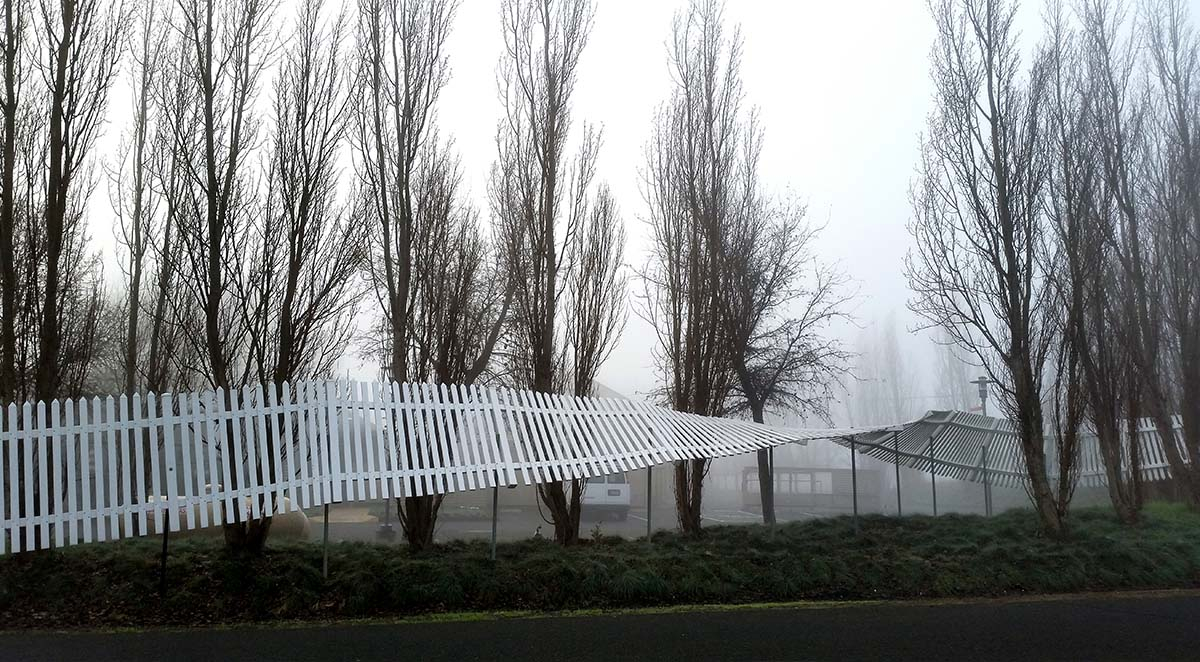
Storms are unpredictable, and their aftermath can leave homeowners dealing with an array of damages. One of the most common casualties during severe weather is fencing. Whether you’ve woken up to find a few dislodged panels, a leaning post, or a completely toppled fence, understanding your repair and replacement options is crucial to restoring both your property's security and curb appeal.
At Asheville Fence, we understand how stressful storm damage can be. That’s why we’re here to guide you through the steps you need to take after a storm hits. As Asheville's trusted fence professionals since 1966, we've helped countless homeowners navigate the complex process of assessing, repairing, and replacing storm-damaged fences. In this comprehensive guide, we'll share our expertise to help you protect your investment and restore your property's security.

The question of whether to repair or replace a fence often leaves homeowners in a state of uncertainty. Professional fence contractors encounter this dilemma daily, and their expertise can help property owners navigate this important decision. Through years of experience, fence experts have developed comprehensive methods for evaluating fence damage and determining the most cost-effective solutions.

A strong fence is an essential part of your property, providing privacy, security, and curb appeal. However, living in a region prone to storms like Asheville, NC, means your fence can face significant challenges. Whether it’s wind, rain, or debris, storm damage can leave your fence weakened, leaning, or even destroyed.
Knowing whether to repair or replace a storm-damaged fence can be a difficult decision. In this blog, we’ll explore the types of storm damage, what to look for when inspecting your fence, and whether replacement or repair is the right option.