
Fence Height Regulations in North Carolina
Before you begin planning your fence project, it's essential to understand that fence height isn't just a matter of personal preference. Local ordinances and homeowners association (HOA) rules often dictate specific requirements that you must follow.
In most North Carolina municipalities, including the Asheville area, residential fence height regulations typically allow for four feet in front yards and six feet in backyards and side yards. However, these standards can vary significantly depending on your specific location, property zoning, and whether you live in a community governed by an HOA.
Key Regulatory Considerations
Before installing any fence, you should investigate several important factors. First, check with your local building department to understand specific height restrictions in your area. Many municipalities require permits for fences exceeding certain heights, and failing to obtain proper permits can result in fines or mandatory fence removal.
Second, if you live in a planned community or subdivision, review your HOA's covenants, conditions, and restrictions (CC&Rs). These documents often contain specific requirements about fence height, style, materials, and even color. HOA regulations may be more restrictive than municipal codes, and violations can result in penalties or legal action.
Third, consider your property's setback requirements. These regulations determine how far from property lines your fence must be installed, which can affect your overall privacy and security goals.
Choosing the Right Height for Privacy
Privacy is one of the most common reasons homeowners invest in fencing. The appropriate height for privacy fencing depends on several factors, including your property's topography, neighboring structures, and intended use of outdoor spaces.
For most residential applications, a six-foot fence provides adequate privacy for ground-level activities. This height effectively blocks the view from neighboring properties and passing pedestrians while remaining within standard regulatory limits. Six-foot fences work well for backyards where families gather, children play, or homeowners want to create private outdoor living spaces.
However, if your property sits on sloped terrain or neighbors have elevated decks or second-story windows overlooking your yard, you may need additional height to maintain privacy. In these situations, an eight-foot fence might be more appropriate, though you'll need to verify that local regulations permit this height and obtain necessary permits.
Privacy Considerations for Different Property Types
Standard Suburban Lots: For typical suburban properties with relatively flat terrain and standard single-story neighboring homes, a six-foot privacy fence typically provides excellent screening. This height blocks the view at eye level for adults standing in adjacent yards while maintaining a reasonable visual profile that doesn't overwhelm the landscape.
Hillside Properties: Properties on slopes present unique challenges. If your yard sits below neighboring properties, you may need taller fencing to compensate for the elevation difference. Conversely, if your property sits above neighbors, a standard six-foot fence may provide more privacy than expected due to the natural grade.
Properties Near Public Spaces: Homes adjacent to sidewalks, parks, or busy streets often benefit from taller fencing. The constant foot and vehicle traffic in these areas makes privacy more challenging, and maximizing fence height within legal limits can significantly improve your sense of seclusion.
For more, read our ultimate guide for choosing the right fence for your property.
Security and Safety Considerations
Beyond privacy, fence height plays a crucial role in property security and safety. The right height can deter intruders, contain pets and children, and establish clear property boundaries.
For security purposes, taller fences generally provide better protection against unwanted entry. A six-foot fence is difficult for most people to climb over without assistance, making it an effective deterrent for casual trespassers. Adding features like pointed picket tops or decorative finials can further discourage climbing attempts without creating an overly fortress-like appearance.
Pet Containment Requirements
If you're installing a fence primarily to contain pets, height considerations vary by animal type and size. For most dogs, a four-foot fence is sufficient for smaller breeds, while larger, more athletic dogs may require six-foot fencing. Some large breed dogs, particularly those known for jumping ability, may need even taller barriers.
The breed, age, and temperament of your pet should guide your height selection. Young, energetic dogs are more likely to attempt jumping or climbing than older, calmer animals. If you're unsure about the appropriate height for your pet, consult with your veterinarian or a professional dog trainer who can assess your specific situation.
Aesthetic Balance and Property Value
While functionality is paramount, fence height also significantly affects your property's curb appeal and market value. A fence that's too tall can make your property feel enclosed and fortress-like, potentially deterring future buyers. Conversely, a fence that's too short may fail to provide desired privacy and security, also impacting perceived value.
The key is finding the right balance between function and aesthetics. Consider how your fence will look from both inside and outside your property. Will it complement your home's architectural style? Does it create a welcoming front yard appearance while providing adequate backyard privacy?
Front Yard vs. Backyard Heights
Most properties benefit from different fence heights in front and back yards. Lower front yard fences (typically three to four feet) maintain an open, welcoming appearance while still defining property boundaries and providing modest pet containment. These shorter fences allow neighbors and passersby to see your home's facade and landscaping, contributing to neighborhood aesthetics.
Backyard fences can be taller (typically six feet) without compromising curb appeal since they're less visible from the street. This height difference creates a natural transition between your home's public and private spaces, offering maximum privacy where you need it most while maintaining a friendly street presence.
Neighborly Relations and Fence Height
Your fence height choice also impacts your neighbors. A tall fence along a property line can block sunlight from neighboring gardens, obstruct views, or simply feel imposing to those living next door.
Before finalizing your fence plans, consider having a conversation with adjacent property owners. This courtesy discussion can prevent future conflicts and may even reveal opportunities for cost-sharing if your neighbors also want fencing. Some neighbors may prefer a taller fence for their own privacy, while others might request a lower height to preserve sunlight or views.
Good communication establishes positive relationships and can help you avoid disputes that might otherwise require mediation or legal intervention. Even if you're legally entitled to install a fence at maximum allowable height, being considerate of your neighbors' concerns demonstrates community-mindedness and can contribute to long-term neighborhood harmony.
Special Considerations for Different Fence Types
Different fencing materials and styles have unique height-related characteristics that affect both their appearance and functionality.
Wood Fencing
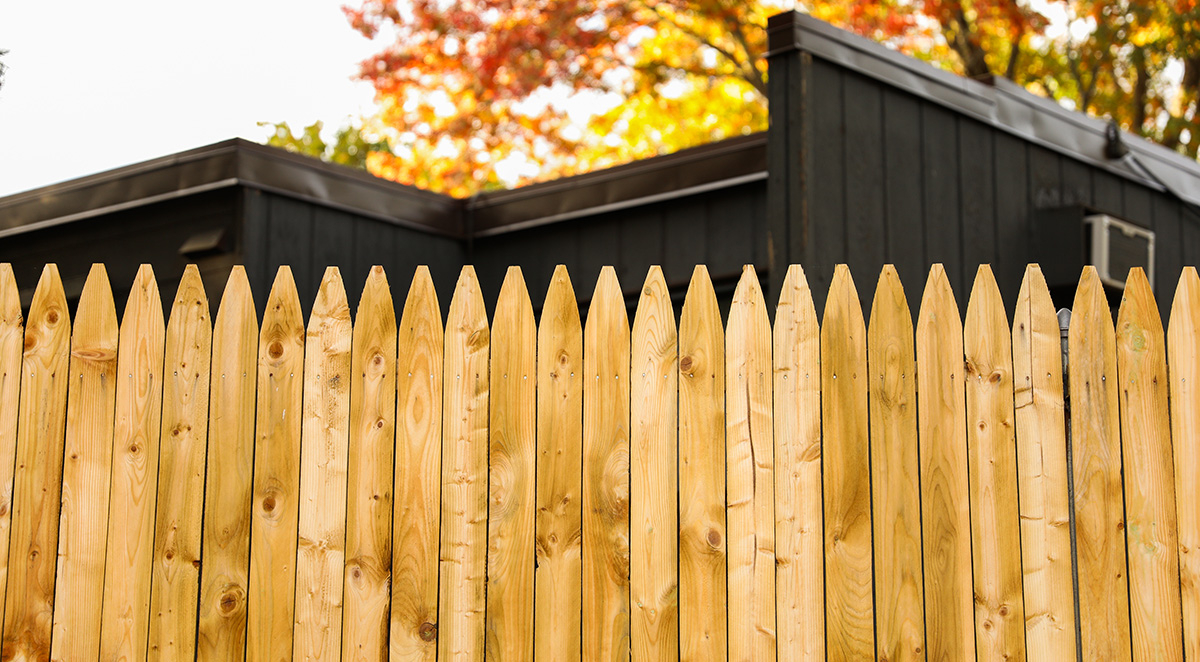
Wood privacy fences are among the most popular options for residential properties, and they typically look best at six feet in height. This height provides the right proportions for standard fence panel construction and creates an attractive, substantial barrier without appearing overly imposing.
Cedar and pressure-treated pine are common wood fencing materials that perform well at various heights. These materials can support the weight and wind load of taller fences while maintaining structural integrity over time.
Vinyl Fencing
Vinyl fences offer excellent durability and low maintenance, making them increasingly popular for residential applications. These fences are available in various heights, though six feet remains the standard for privacy applications. Vinyl fencing maintains consistent appearance regardless of height, as the material doesn't warp, rot, or require painting like wood alternatives.
Chain Link Fencing
Chain link fences are valued for their affordability, durability, and security features. These fences are commonly installed at four to six feet for residential properties, depending on the primary purpose. Four-foot chain link works well for basic pet containment and property demarcation, while six-foot options provide better security and privacy, especially when combined with privacy slats.
Read our blog post all about maintaining different types of fences.
Frequently Asked Questions
What is the standard fence height for residential properties?
The most common residential fence heights are four feet for front yards and six feet for backyards and side yards. However, specific regulations vary by location, so you should always verify requirements with your local building department and homeowners association before proceeding with installation. Some areas permit taller fences with special permits or under certain conditions.
Do I need a permit to install a fence?
Permit requirements vary by location and fence height. Many municipalities require permits for fences exceeding certain heights, typically four or six feet. Even if your planned fence doesn't require a permit based on height, other factors like proximity to property lines, location near easements, or placement in historic districts might trigger permitting requirements. Contact your local building department to determine specific requirements for your project.
How do I determine if my fence height is appropriate for my pets?
The appropriate fence height for pet containment depends on your pet's size, breed, age, and jumping ability. Small dogs typically require at least four feet of fencing, while larger, more athletic breeds may need six feet or more. Consider your pet's individual characteristics. Some dogs rarely attempt to jump regardless of fence height, while others persistently try to escape. Observe your pet's behavior and consult with your veterinarian or a professional trainer for specific recommendations.
Can I install a taller fence if my neighbors agree?
Even with neighbor approval, you must still comply with local zoning regulations and HOA restrictions. Neighbor consent doesn't override municipal codes or subdivision covenants. However, if your desired fence height exceeds standard limits, you may be able to apply for a variance or special permit. The process typically requires demonstrating legitimate need and showing that the taller fence won't negatively impact surrounding properties.
How does fence height affect property value?
Appropriate fence height generally enhances property value by providing privacy, security, and defined outdoor spaces. However, fences that are too tall for the property or neighborhood can negatively impact value by creating a fortress-like appearance that deters potential buyers. The key is choosing a height that matches neighborhood standards and property characteristics while meeting functional needs.
Making Your Final Decision
Selecting the proper fence height requires careful consideration of multiple factors. Start by researching local regulations and HOA requirements to understand your legal parameters. Evaluate your primary needs and how different heights address these goals.
Consider your property's unique characteristics, including topography, neighboring structures, and existing landscaping. Think about how your fence will look from various vantage points and how it will affect both your property and surrounding homes. Balance functional requirements with aesthetic preferences and budget constraints.
Remember that your fence represents a significant investment in your property. Taking time to thoroughly evaluate height options and working with experienced professionals ensures you'll be satisfied with the results for years to come.
Conclusion
Whether you're installing a privacy fence in Asheville, a security fence for pet containment, or simply establishing clear property boundaries, understanding height regulations and best practices helps ensure your project succeeds. By carefully evaluating your needs, researching local requirements, considering your property's unique characteristics, and consulting with professional installers, you can select a fence height that perfectly balances functionality and aesthetics.
Ready to discuss your fencing project and determine the ideal height for your property? Contact us for a free estimate. Our experienced team will help you navigate regulations, evaluate options, and install a fence that meets all your needs.