Proper anchoring is the foundation of guardrail safety. A guardrail with inadequate anchoring might appear secure while actually providing little protection when needed most. In this comprehensive guide, we'll explore why proper anchoring is crucial for guardrail installation, the common anchoring methods used in different environments, and how to ensure your guardrail system provides maximum protection.
Understanding Guardrail Systems and Their Purpose
Before diving into anchoring specifics, it's important to understand what guardrails do and how they function. Guardrails are designed to:
- Redirect vehicles safely back onto the roadway
- Absorb impact energy through controlled deformation
- Prevent vehicles from encountering more dangerous obstacles
- Protect pedestrians, workers, and property from vehicle intrusion
- Define safe boundaries for both vehicles and foot traffic
Guardrails work by transferring impact energy along the rail and into the posts and anchoring system. This energy dissipation is what allows a guardrail to gradually slow a vehicle rather than causing an abrupt stop, which could be just as dangerous as no barrier at all.
In Western North Carolina, guardrails are essential due to our mountainous terrain, sharp curves, and steep drop-offs. From residential areas with switchbacks to commercial facilities with multi-level parking, proper guardrail installation is vital for safety.
Why Proper Anchoring Is Critical
The anchoring system is what gives a guardrail its strength. Without proper anchoring, a guardrail becomes little more than a decorative element—potentially giving a false sense of security while providing minimal protection. Here's why anchoring is so crucial:
1. Energy Transfer and Absorption
When a vehicle impacts a guardrail, tremendous energy must be managed safely. The anchoring system allows this energy to be:
- Distributed throughout the entire guardrail system
- Partially absorbed by the soil or concrete foundation
- Transferred into the ground rather than back into the vehicle
- Managed in a way that controls deceleration to protect occupants
Weak anchoring means this energy has nowhere to go, potentially causing catastrophic failure of the entire system.
2. Maintaining Structural Integrity
Proper anchoring ensures that the guardrail maintains its position and structure even under significant impact. This is especially important in:
- Areas with steep drop-offs where guardrail failure could lead to vehicles leaving the roadway
- Commercial environments where guardrails protect pedestrians, equipment, or structures
- Residential settings where guardrails may protect children, pets, or property boundaries
3. Weather and Environmental Resistance
In Western North Carolina, our guardrails must withstand:
- Frequent freeze-thaw cycles that can heave improperly anchored posts
- Heavy rainfall that can erode soil around anchoring points
- Seasonal temperature fluctuations that cause materials to expand and contract
- Occasional high winds that place lateral stress on the rail system
Only properly anchored guardrails can withstand these environmental challenges year after year.
Common Guardrail Anchoring Methods
The method of anchoring depends largely on the guardrail type, location, and intended purpose. At Asheville Fence, we work with several anchoring methods:
1. Driven Post Systems
This is the most common method for roadside guardrails, particularly for galvanized steel systems. The process involves:
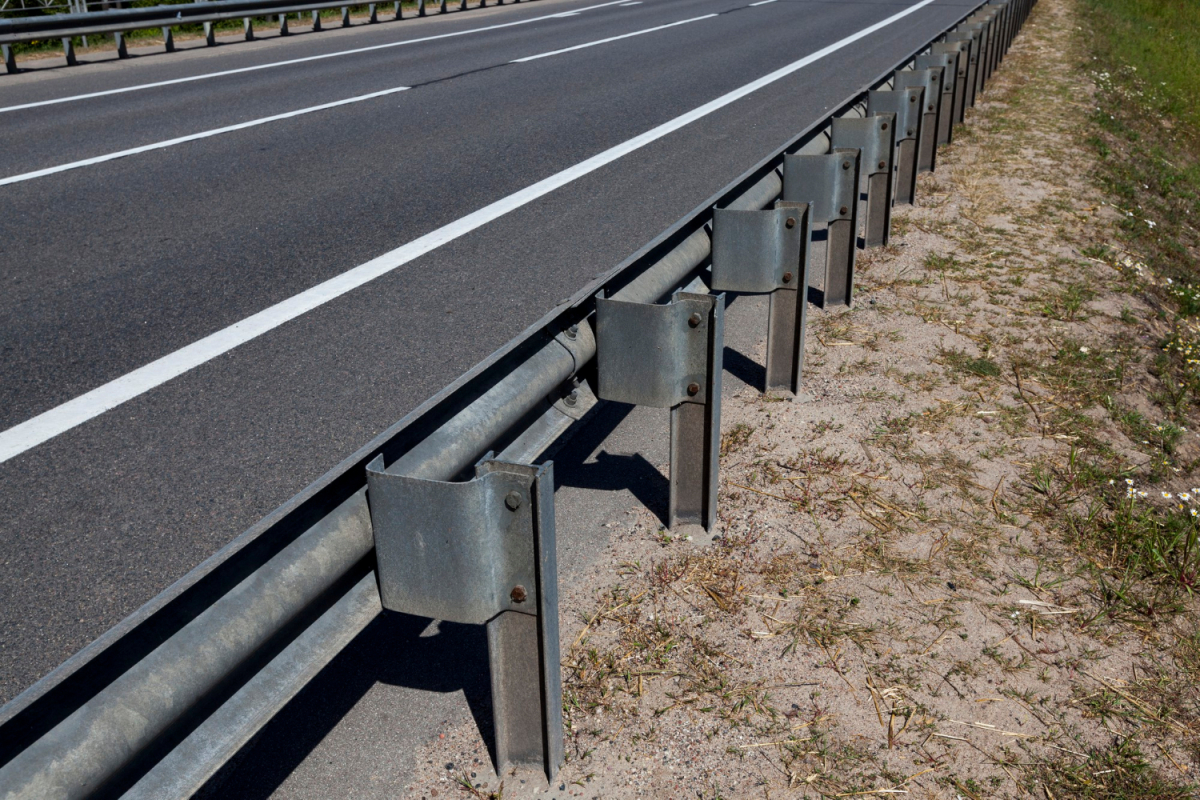
- Selecting appropriate posts (typically steel W-beams or I-beams)
- Using hydraulic post drivers to force posts into the soil to a predetermined depth
- Ensuring proper soil compaction around the post
- Testing post resistance to lateral forces
The effectiveness of driven posts depends heavily on soil conditions, which can vary dramatically throughout Western North Carolina's diverse terrain.
2. Concrete Foundation Anchoring
For more permanent installations or in areas with poor soil conditions, concrete foundations provide superior anchoring:
- Excavating holes of appropriate dimensions (typically 12-36 inches deep, depending on application)
- Placing reinforcing steel in the excavation
- Setting posts with temporary bracing
- Pouring concrete and allowing proper curing time
- Installing rail components after the concrete has reached sufficient strength
This method is often used in commercial settings, on bridges, or in areas where maximum strength is required.
3. Surface-Mounted Systems
For indoor applications or installation on existing concrete surfaces (like in warehouses or industrial facilities), surface-mounted guardrails utilize:
- Base plates welded to the posts
- High-strength concrete anchors or through-bolts
- Proper torquing of fasteners to manufacturer specifications
- Sometimes additional bracing for enhanced stability
These systems allow for guardrail protection without the need for excavation, making them ideal for retrofitting safety systems in existing facilities.
4. Timber Post Systems
For more aesthetically pleasing guardrails in residential or park settings, timber posts can be anchored through:
- Setting posts in concrete footings
- Using decay-resistant wood species or pressure-treated lumber
- Implementing proper drainage around wood posts
- Sometimes incorporating steel reinforcement within or alongside wooden posts
These systems blend better with natural surroundings while still providing necessary protection.
Common Anchoring Mistakes and Failures
In our decades of experience installing guardrails throughout Western North Carolina, we've seen numerous anchoring failures that could have been prevented. The most common issues include:
Insufficient Depth
Posts that aren't driven or set deep enough simply cannot withstand impact forces. The required depth varies based on:
- Soil conditions (rocky vs. loose soil)
- Post material and dimensions
- Expected impact forces
- Local weather and freeze patterns
Poor Soil Conditions
Even properly installed posts can fail if the surrounding soil doesn't provide adequate support. Problems include:
- Installing in loose or uncompacted fill material
- Failing to account for seasonal soil moisture changes
- Not recognizing soil types that are prone to erosion
- Ignoring the presence of underground utilities or water tables
Improper Spacing
Posts spaced too far apart cannot properly transfer and distribute impact energy, leading to system failure. Appropriate spacing depends on:
- The specific guardrail design and manufacturer specifications
- Expected impact angles and forces
- Whether the installation is on a curve or straight section
- Terrain features that might affect impact dynamics
Inadequate Concrete Foundations
For posts set in concrete, common failures include:
- Insufficient concrete depth or diameter
- Poor quality concrete mix
- Inadequate curing time before loading
- Lack of proper reinforcement
- Failure to account for water drainage
Corrosion and Decay
Over time, even well-installed anchoring systems can fail due to:
- Galvanic corrosion between dissimilar metals
- Decay of wooden posts, especially at the ground line
- Damage to protective coatings from installation or environmental factors
- Chemical exposure from road salt or other contaminants
Read more on our blog about mistakes to avoid when installing guardrails.
Proper Anchoring Techniques for Different Applications
The specific techniques for proper guardrail anchoring vary by application:
Roadside Applications
For roadside guardrails in Western North Carolina's mountainous terrain:
- Conduct soil testing to determine appropriate post length and driving depth
- Use posts at least 6 feet long with a minimum embedded depth of 3-4 feet
- Space posts according to manufacturer specifications, typically 6-8 feet apart
- Ensure terminal anchors (end treatments) have enhanced anchoring systems
- Consider concrete foundations in areas with poor soil conditions
- Implement drainage solutions in areas prone to water accumulation
Commercial Facility Applications
For guardrails protecting equipment, pedestrian areas, or structures in commercial settings:
- Use concrete foundations for maximum stability and longevity
- Implement base plates with multiple anchor points for surface-mounted systems
- Consider dynamic load requirements when designing anchoring systems
- Use galvanized or protective coatings to prevent corrosion
- Implement regular inspection schedules to catch any anchoring issues early
Residential Applications
For guardrails along residential driveways or property edges:
- Balance aesthetic considerations with proper anchoring requirements
- Use timber post systems with concrete foundations when appearance is important
- Consider the visual impact of anchoring methods while not compromising on safety
- Implement drainage solutions to prevent erosion around posts
- Choose anchoring methods compatible with landscaping and maintenance needs
Professional Installation Makes the Difference
While some property owners might consider DIY guardrail installation, proper anchoring requires:
- Specialized equipment for post driving or excavation
- Knowledge of local soil conditions and drainage patterns
- Understanding of load physics and energy transfer principles
- Familiarity with local building codes and DOT requirements
- Experience with various anchoring methods and their applications
At Asheville Fence, our team has been installing guardrails throughout Western North Carolina since the 1970s. This experience means we understand the unique challenges posed by our region's varied terrain and weather conditions.
Maintenance and Inspection of Guardrail Anchoring
Even the best-anchored guardrail requires periodic inspection and maintenance:
Regular Visual Inspections Should Check For:
- Signs of post movement or leaning
- Erosion around post bases
- Concrete cracking or deterioration
- Rust or corrosion at ground level
- Wood decay, especially at the soil line
- Loose or missing fasteners
- Changes in surrounding drainage patterns
Scheduled Professional Assessments
Depending on the guardrail's importance and location, professional assessments might include:
- Testing lateral resistance of selected posts
- Evaluating soil compaction around anchoring points
- Checking fastener torque on surface-mounted systems
- Assessing overall system alignment and tension
- Documenting any changes since installation or previous inspection
FAQ About Guardrail Anchoring
How deep should guardrail posts be driven?
Typically, guardrail posts should be driven 3-4 feet deep, depending on soil conditions, post material, and expected impact forces. In areas with poor soil conditions or where maximum strength is needed, depths of up to 6 feet may be required.
Can guardrails be installed on existing concrete?
Yes, surface-mounted guardrail systems can be installed on existing concrete using base plates and appropriate anchoring hardware. The concrete must be of sufficient thickness and quality to support the anchoring system.
How often should guardrail anchoring be inspected?
For roadside applications, annual inspections are typically recommended. Commercial facilities often require semi-annual inspections, while residential guardrails should be checked at least annually and after any significant weather events.
What makes Western North Carolina challenging for guardrail installation?
Our region's combination of mountainous terrain, varied soil conditions, high rainfall, and freeze-thaw cycles creates unique challenges for guardrail anchoring. Local knowledge and experience are essential for effective installation.
How long should a properly anchored guardrail last?
With proper installation and maintenance, steel guardrail systems can last 20-30 years, while timber systems typically last 10-15 years. The anchoring system often determines the overall lifespan of the installation.
Conclusion: Safety Depends on What You Can't See
The most important part of any guardrail system is largely invisible once installation is complete. The anchoring system provides the strength and stability that makes the entire guardrail effective.
At Asheville Fence, we understand that proper anchoring isn't just a technical detail—it's the foundation of the safety that guardrails provide. Since the 1970s, we've been Western North Carolina's trusted guardrail contractor, delivering systems that protect people and property through proper design, installation, and anchoring.
When you're considering guardrail installation for your property, roadway, or facility, remember that what's below the surface determines how the system will perform when it matters most. Don't compromise on anchoring—it's quite literally the foundation of guardrail safety.
For more information about guardrail installation or to schedule a consultation, contact our team for expert advice tailored to your specific needs.